TREY MALICOAT, M.S.Growth Strategist, Author, Automations Advocate

Keynote speaker · AI, adaptation & human connection

What if your next competitive advantage is being more human?

Your business can become more automated and more human. I help your audience imagine how and find their place in what comes next.

Watch Trey speak · 60 secondsTrey Malicoat, M.S.Growth Strategist, Author, Automations Advocate

The case for change

AI is expanding what’s possible. Who is preparing your people?

The 2026 research points to a leadership challenge: turn new capacity into meaningful human contribution while helping people navigate the change.

People are feeling the shift

27%

Major disruption at work.

Of U.S. employees in AI-adopting organizations, 27% reported substantial workplace disruption over the past year, compared with 17% where AI had not been adopted.

Gallup · February 2026 survey (opens in a new tab)

Leadership must catch up

Only25%

Have heard a clear AI plan.

Only one in four U.S. employees said their organization had communicated a clear AI integration plan. Meanwhile, 47% said their organization had already begun integrating AI.

Gallup · May 2026 data (opens in a new tab)
Give your people a place in the future you’re building. The Cost of Standing Still opens the conversation about what to automate, what people need through the transition, and how to make connection, creativity, and collaboration central to the business.

The signature keynote

The Cost of Standing Still.

Help your audience see the opportunity, face the uncertainty, and move forward together.

One question we explore: Could a more automated, more human business earn 3× the profit?

See the opportunity

Find what automation can carry so people can contribute more.

Bring people with you

Understand fears about identity, belonging, and control. Open better conversations.

Choose a way forward

Use six decisions to shape the transition around technology and people.

Bring this keynote to your event

For leaders and teams navigating change.

See Trey connect with an audience

Three moments of connection, humor, and perspective.

In their words

What stays with people.

Testimonials from past clients, students, workshop participants, keynote attendees, and others who have experienced my work.

“He comes highly prepared, full of energy, excitement and enthusiasm to teach, persuade and inspire his audience.”

Joyce DeMonnin, MPHPublic Outreach Director, AARP Oregon

“As a dynamic leader, he keeps it real and engages not only our minds, but also our spirits, imaginations and our core values.”

Karma CarpenterDirector, International Association for School Yoga

“Your natural talent sets you apart from the many motivational speakers I have encountered over my 30 year professional career.”

Ramona StreitHome Care Company Owner, Los Angeles

“A sum of experiences, examples and connections of his own life provided us with a competitive advantage in planning our future as a growing corporation in Latin America.”

Luis D. OsborneLatin American Entrepreneur

“Trey has transformed my personal skill set to a level that I could have never reached on my own.”

Jason SmithMarketing Director

“I truly feel like we left with a sense of how to improve our relationships with each other and others.”

Jenny WestWorkshop participant

“It was an amazing day; we had the highest turn out ever for one of our events!”

Jenifer SilenceDiversity and Inclusion Committee, The Children’s Hospital Denver

“Now, I am happy to say that I am much better about opening up to new people.”

Mellisa RabidouxTraining participant

“He has empowered me to change my life on a fundamental level, and gave me the tools to do so.”

Tom WilliamsonStudent

“I have been impressed by hearing students comment on the range and depth of his knowledge and his ability to teach concepts in everyday understandable language.”

Linda Stonecipher, PhDChair, Division of Health and Physical Education, Western Oregon University

“The course has proven to be very practical, going beyond the theoretical knowledge to offer actionable strategies that I can implement in my practice.”

Sampurna NagCourse learner

“The instructor breaks the information down in an engaging way but also is straight to the point not using a bunch of fluff. Very valuable information thats easy to absorb.”

James CarterCourse learner

“This course was clear, informative, and provided a supportive learning environment. I was engaged in the process.”

Emily BrownCourse learner

“I thought Trey did an excellent job breaking down trauma, making the impact clear, and outlining how to support and coach folks through healing.”

Rachel PointerCourse learner

“Excellent training. I feel that I finally have the missing pieces for coaching clients with significant traumatic stress.”

Stephanie MartinCourse learner

“Great resources, clear and engaging facilitator, a deep dive introduction into trauma informed coaching with multiple perspectives and ways to approach your work as a practitioner.”

Tasha LaDonna Allen-MillerCourse learner

“Extremely useful training. Before landing here, I was checking a lot of YouTube training sessions on trauma informed care and nothing was as direct and concise as this one.”

Ira SharmaCourse learner

“As a yoga instructor and wellness coach, this training fit perfectly into what I do.”

Liz CampbellYoga instructor and wellness coach

“It has helped me more deeply understand how I can help clients step into the best version of themselves and heal.”

Julio M.Course learner

“I feel very empowered now to deal more effectively with my clients as a counselor.”

Isha A.Counselor · Course learner

“Appropriately detailed and easily understandable analysis of lectures, an amazing coach, and an excellent way of teaching.”

Oladiyo Abimbola M.Course learner

“Yes, a really good match to go with my Hypnotherapy practice, where I help clients address their trauma and release it. This provided a great framework!”

Smita G.Hypnotherapy practitioner

“A very clear and concise presentation on trauma-informed coaching; perfect for my work as a Master Grief Coach. Highly recommend!”

Mark K.Master Grief Coach

“The information is very detailed on how to identify what the client is faced with and how to help the client.”

Wanda T.Course learner

“As a coach and survivor of medical trauma, I found this course very beneficial in enhancing my knowledge of trauma and how to work with those who've experienced trauma of their own.”

Lana L.Coach · Course learner

“Me gustó mucho, porque es muy práctico y aplicable en cada momento del trabajo con personas que están sufriendo trauma.”

Monica V.Course learner

“Through his guidance I’ve become a more empowered, self-assured, and confident person in all aspects of my life.”

Tawny G.

“His work combines deep understanding with compassion and visualization.”

Daniel L.

“He was very easy to talk to, made me feel comfortable immediately and gave some very helpful advice.”

Insia U.

“He is a great listener, understands what I’m trying to say, and offers great feedback without judgment.”

Brigitte A.

“His attention was totally on me, whether we were on the phone or in person.”

Dana R.

“Trey has assisted me numerous times through situations that were physically, spiritually and physiologically very difficult.”

Margaret T.

“Working with Trey Malicoat was a transformative experience.”

Rick O.

“His coaching launched me on the path to finding value in my voice and being my own advocate.”

Cathy R.

“Trey worked with me not only to see what was wrong in my first marriage but to figure out my role in all of it.”

Kim C.

The optional workshop

What could this look like in your business?

We begin with a facilitated digital conversation with your team. Through appreciative inquiry, we explore what is working, the real needs, obstacles, and limitations, and what you hope to make possible. Then we use six decisions to shape the next step.

  1. 01DecideWhat future are we choosing?

    Define the business you want to become, the people you serve, and the cost of staying as you are.

    Consider: Name one business outcome and one human outcome worth pursuing.

  2. 02ReimagineWhat should automation carry?

    Consider where technology can relieve recurring effort or expand capability. Weigh the benefit, reliability, risk, and human judgment each choice requires.

    Consider: Identify one area where greater capacity could make a meaningful difference.

  3. 03PrepareWhat will people need?

    Surface concerns about security, competence, status, and belonging. Explain the direction, invite participation, and plan support before making the transition.

    Consider: Ask what people fear losing and what they hope to gain.

  4. 04ReorientWho are we beyond our roles?

    Help people see their value beyond a task, title, or ability to hold the answers. Make room for experience, imagination, discernment, and care.

    Consider: Identify the contribution each person wants to develop.

  5. 05RedesignHow will we work together?

    Align responsibilities, decision making, learning, and leadership with the new direction. Keep people involved in shaping the business they will inhabit.

    Consider: Choose a first transition with clear ownership and time to learn.

  6. 06RealizeWhat will greater capacity make possible?

    Put time and intelligence into relationships, new ideas, thoughtful service, and shared problem solving. Review whether the transition is improving business and human outcomes.

    Consider: Make connection, creativity, and collaboration part of how success is measured.

When technology carries more, what will your people make possible?

Automation creates capacity. Leadership determines what that capacity becomes. Give people the time and purpose to strengthen relationships, develop ideas, and solve problems together.

Connect

Turn time spent on routine tasks into conversations that build trust with customers and colleagues.

Create

Give people room to question assumptions, imagine better experiences, and develop ideas worth pursuing.

Collaborate

Bring people across roles together to solve problems, share judgment, and turn ideas into progress.

The Cost of Standing Still invites your audience to rethink both sides of the transition: what technology can carry, and what people can become.

Prepare for stress, identity disruption, and trauma responsesBetter conversations before, during, and after change

Changes in work can threaten a person’s sense of competence, security, or belonging. For some people, disruption can also reactivate earlier trauma. Leaders can meet different reactions with curiosity, clear communication, and practical support.

Make uncertainty discussable.

Explain what is changing, why, and how decisions will be made. Say what you do not yet know. Make questions and concerns welcome.

Give people a voice.

Ask how the transition affects their sense of purpose, contribution, and belonging. Invite them to help shape their changing role, with practical learning and a clear person to approach for support.

Respond with care.

Listen before interpreting someone’s behavior. Address legitimate workload and job concerns, adjust the process where needed, and connect people with appropriate support.

This leadership approach draws on principles of safety, trust, collaboration, and empowerment. SAMHSA: principles of a trauma-informed approach.

Explore the research and human implicationsConnection, identity, and the choices behind the transitionExploreClose

Efficiency needs a human purpose

A business can run beautifully and still leave people feeling alone.

As AI takes on more tasks, the everyday reasons to speak with another person can disappear. A colleague becomes a prompt. A conversation becomes an automated reply. A customer gets an answer without ever feeling known.

I call the danger relational complacency: assuming that because the system responded, the relationship was cared for. The opportunity is to automate the heavy lifting and deliberately redirect human effort toward connection, creativity, and growth.

Forecast for 202815%

Of everyday work decisions

Gartner forecasts that at least 15% of day-to-day work decisions will be made autonomously by agentic AI, up from 0% in 2024.

Gartner · June 2025 forecast
Forecast for 202980%

Of common service issues

Gartner forecasts that agentic AI will resolve 80% of common customer service issues without human intervention.

Gartner · March 2025 forecast

As more work becomes automated, which human interactions will we deliberately preserve or create?

The risk is already visible

More AI interaction can mean less human connection.

Four studies involving 794 participants linked greater interaction with AI at work to loneliness and a stronger desire for social connection. Some employees also became more helpful to colleagues. Make human connection part of how work happens.

Tang and colleagues · Journal of Applied Psychology, 2023

The business case for investing in people

Gallup’s 2024 meta-analysis found 23% higher profitability in business units in the top quarter of employee engagement than in the bottom quarter.

Gallup · 2024 meta-analysis

Redesign the job around the human value.

Keep accountable people at the center of the relationship. Give them the time, skills, authority, and clear expectations to do work that makes others feel understood.

Connect

From processing requests to knowing people.

Let automation carry: scheduling, reminders, routine updates, and information retrieval.

Redirect people toward: listening conversations, personal welcomes, proactive customer care, difficult decisions, and repairing trust when something goes wrong.

Look for: stronger retention, resolved concerns, and customers who feel understood.

Create

From producing more to discovering what matters.

Let AI assist with: research synthesis, first drafts, comparisons, and routine analysis.

Redirect people toward: customer discovery, original ideas, service design, experimentation, and judging what is meaningful, useful, and authentic.

Look for: ideas tested, services improved, and new sources of customer value.

Collaborate & grow

From coordinating tasks to building relationships.

Let automation carry: status collection, routing, follow-up reminders, and routine reporting.

Redirect people toward: mentoring, shared problem solving, community presence, trusted partnerships, and thoughtful referral conversations.

Look for: stronger participation, repeat business, qualified referrals, and contribution margin.

Make the change real.

Map the human moments that matter. Choose tasks to automate. Co-design new responsibilities with employees. Protect time for relationship work, teach listening and collaborative problem solving, and reward meaningful outcomes. Keep a clear route to a real person and be honest about when customers are interacting with AI.

Review efficiency and relationship health together. A faster response is useful. Knowing whether someone felt heard tells you something different.

Explore the 3× question with your audience

About the speaker

Trey Malicoat, M.S.

Growth Strategist, Author, Automations Advocate

For 25 years, Trey has helped organizations navigate change through an active consulting career. A former National Vice President of Communications for a global home care franchise, healthcare president, and founder of several successful businesses, he brings business experience and a deep understanding of human behavior into the room.

Trey Malicoat, M.S., facing forward and smiling in a light blue shirt.
The experience behind the workTrauma response · Business leadership · Teaching · AuthorshipExploreClose

Human stakes

Trauma & crisis response

Nearly three decades of work in mental health and trauma inform Trey’s understanding of people under pressure. His frontline crisis support has included the aftermath of the Thurston and Columbine school shootings, the World Trade Center attacks on 9/11, and the Pulse nightclub shooting.

Those experiences ground his work in the human realities of fear, loss, identity, and belonging. He brings that perspective to leaders navigating change, helping them make room for difficult conversations and respond with clarity, compassion, and care.

Business in practice

Leadership & entrepreneurship

Trey served as National Vice President of Communications for a large home care franchise organization with offices around the world. As president of Signature Hospice, Home Health & Home Care, he oversaw eight offices and an approximately $26 million budget.

His active consulting career spans 25 years, alongside founding several successful businesses. He brings experience as an executive, entrepreneur, and advisor to the practical challenge of growing an organization while helping its people adapt. His work connects business direction with communication, participation, and human relationships.

Learning that travels

Education & teaching

Trey’s teaching experience includes the University of Denver, Oregon State University, and Western Oregon University, with lectures at the University of Oregon. He holds an M.S. in Counseling Psychology from Our Lady of the Lake University and a B.A. in Communications and Public Relations from Whitworth College.

His trauma-informed coaching and counseling course has reached 4,000 students worldwide through 2026. In classrooms, workshops, and facilitated conversations, he makes complex human experiences understandable and helps participants connect what they learn to the people and decisions in their lives.

Stories with purpose

Authorship & human connection

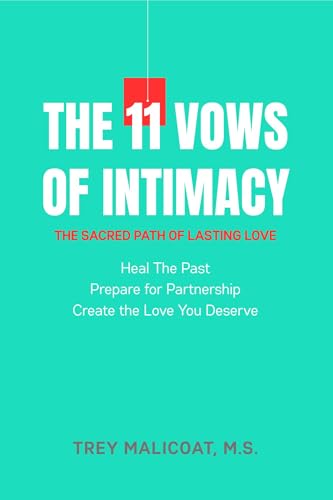
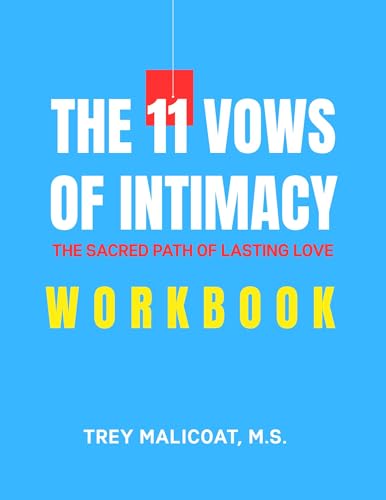
Trey’s books include The Queen Has No Friends, Being Seen: Coming Out After 40, Rewire, and The 11 Vows of Intimacy. Across fiction and practical guides, his writing explores identity, personal change, and the relationships that give life meaning.

The Queen Has No Friends is the cautionary tale behind The Cost of Standing Still. Its themes of identity, power, control, and restraint invite readers to examine what they protect when change feels personal. The book extends the keynote’s conversation into relationships at work and at home.

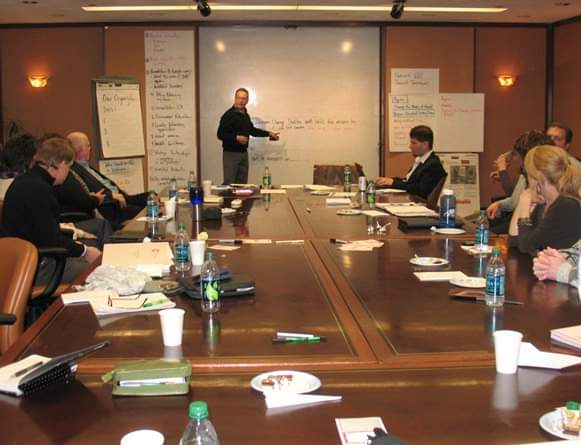
Trey Malicoat facilitating a group learning session around a conference table, with a whiteboard and flip charts.
Helping people explore ideas together and bring them into practice.

Organizations I’ve served.

Across speaking, education, and professional service.

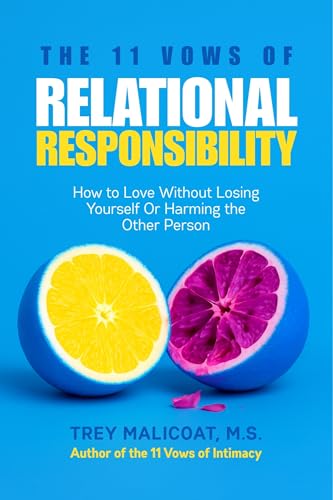
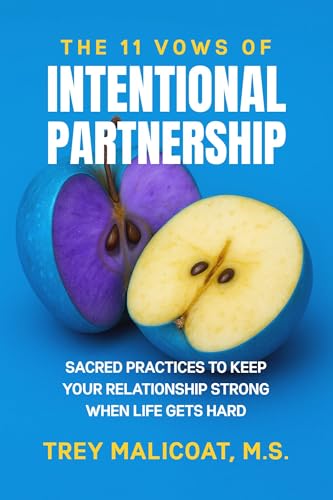
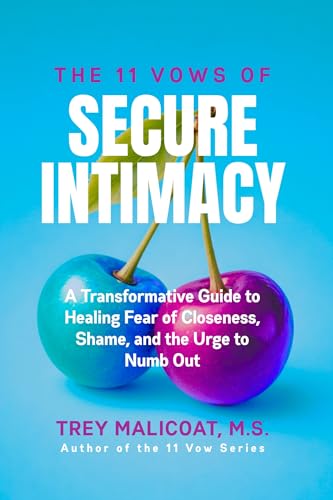
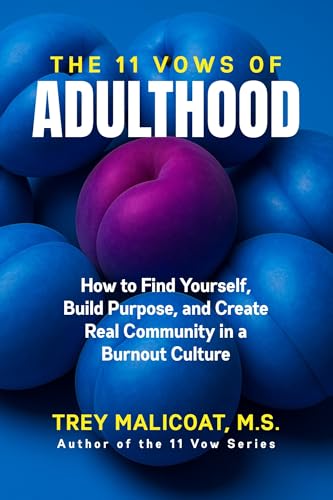
More ways to bring the human conversation to life: the 11 Vows Relationship Series.

Explore the booksClose the series

Explore connection, responsibility, purpose, and the relationships that shape our lives. Keynotes are available for each book in the series.

Bring a book’s ideas to your audience.
Let’s choose the conversation that speaks to your community.

Ask about a series keynote

For event planners

Bring the idea to your team.

Preview an overview to share with your planning team. Download a copy when you’re ready.

Discuss your event

It all begins with a curious conversation.

Let’s talk about your audience.

Tell me what is changing, what feels difficult, and what you want people to leave ready to do.

Let’s talk about your audiencesupport@treymalicoat.com

Speaking inquiries

Let’s talk.

Tell us a little about your event. All fields are required.

Your details will be sent to Trey’s team at support@treymalicoat.com.